
Teaching in Local Churches: Forming Strong Disciples Through Effective Biblical Teaching
Teaching in local churches is essential for developing strong and well-rooted disciples of Christ. Effective teaching is not optional in discipleship; it is foundational. John Wesley strongly believed that making disciples is a process that requires devoted and diligent teaching (Felton, 1997). When Jesus commissioned His disciples, He instructed them to go into all the world and make disciples...
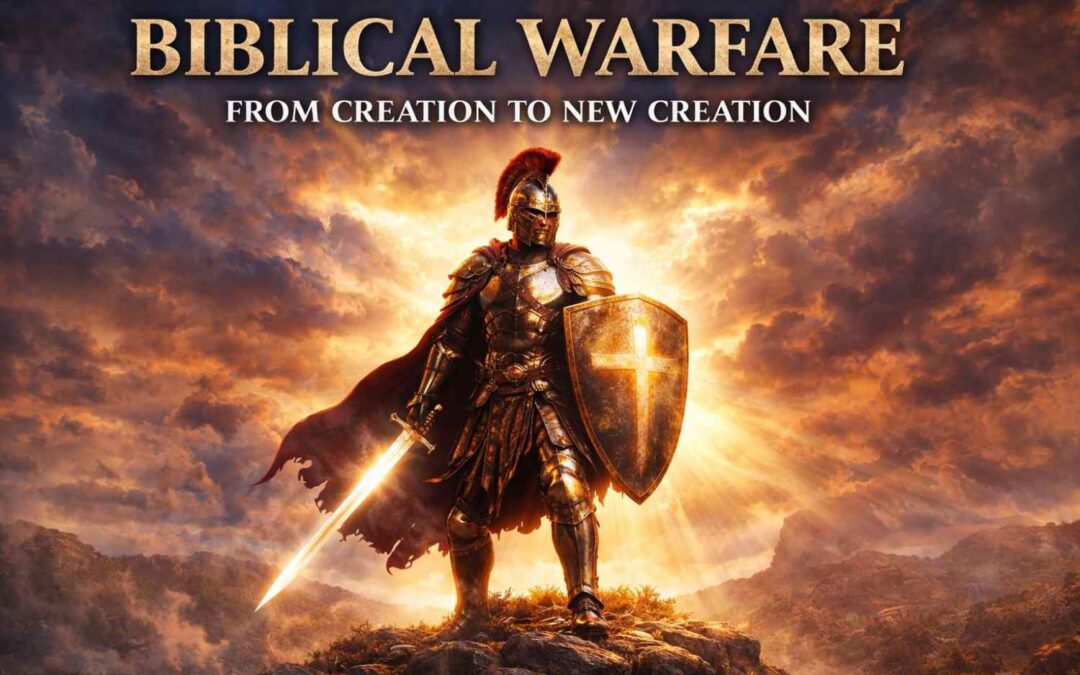
Warfare in the Old and New Testaments: A Biblical Theological Study
Introduction The Hebrew word commonly used for warfare in the Old Testament is מִלְחָמָה (milchamah), while the Greek term used in the New Testament is στρατεία (strateia). The word milchamah can mean either battle or war, depending on the context, and it appears in over three hundred Old Testament passages that address conflict, war, or battle. In the New Testament, *strateia* similarly conveys...

The Doctrine of the Church: Understanding Its Purpose, Marks, and Functions
Introduction: The Doctrine of the Church Biblical religion is essentially corporate. God’s covenant extended beyond the individual to include their descendants and the whole world. The doctrine of the church emphasizes that the believing community is the environment in which personal faith grows and is nourished. The messianic hope introduced in the Old Testament has a corporate dimension....
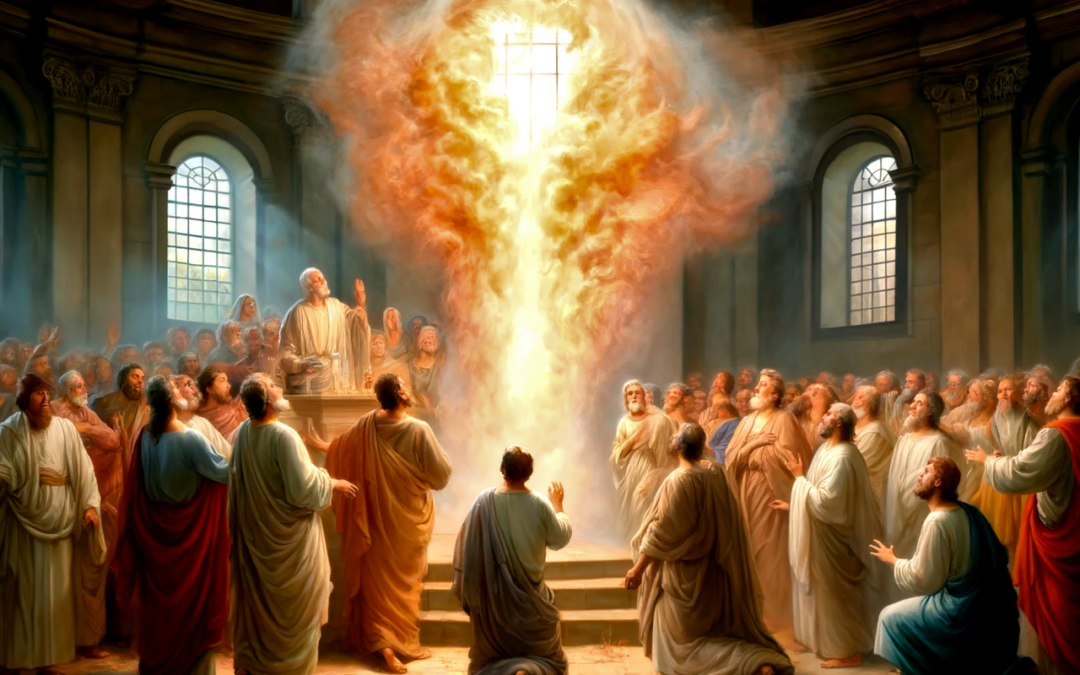
Do the Gifts of Tongues and Prophecy Still Operate Today? A Biblical & Historical Study
Gifts of tongues and prophecy Acts 2:1–4 presents one of the most dramatic moments in the history of the Church: the coming of the Holy Spirit at Pentecost. Luke records how the disciples were filled with the Spirit and began to speak in other tongues as the Spirit enabled them. From the very beginning, the Apostolic Church was marked by Spirit-empowered experiences such as speaking in...

Who Is Man? A Biblical Doctrine of Humanity and Sin
Who Is Man? A Biblical Understanding of Humanity and Sin One of the most profound questions human beings have ever asked is simple yet deeply complex: Who is man?Philosophers, scientists, and theologians have wrestled with this question for centuries. Are human beings merely physical bodies? Are we ideas, relationships, or products of evolution? Or are we something more? While philosophy offers...
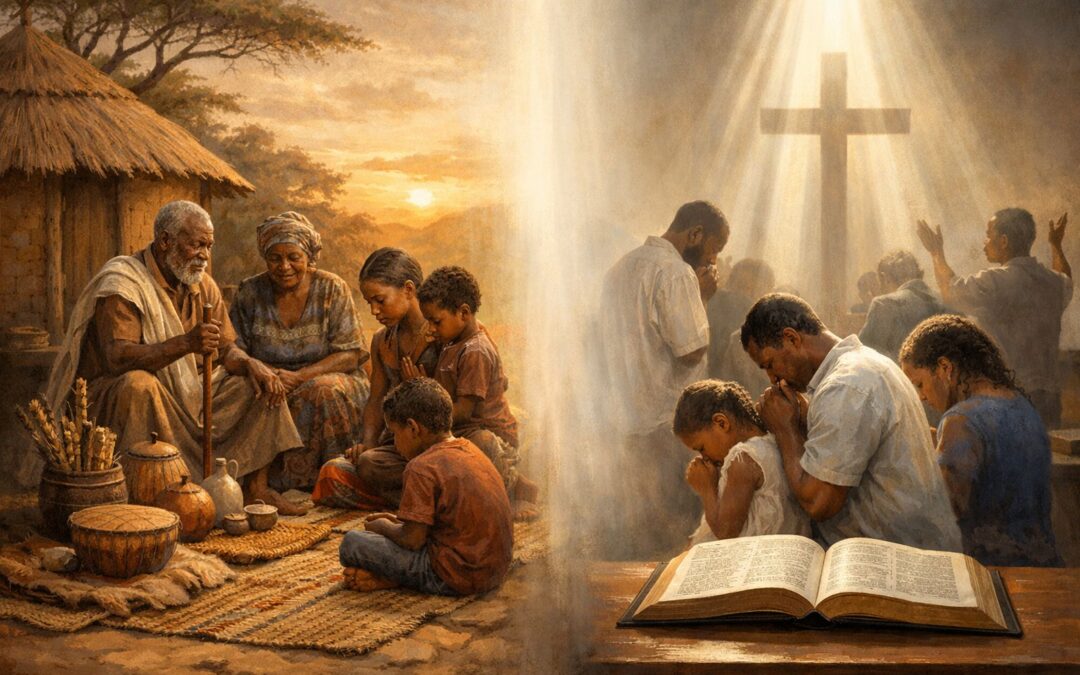
Ancestor Veneration or Worship? A Biblical Response to African Traditional Beliefs
Introduction African societies have always been deeply religious. Long before the arrival of Christianity, Africans acknowledged the existence of a Supreme Being and structured their lives around spiritual realities. Alongside belief in God, African communities also developed a strong tradition of honoring ancestors — deceased family members believed to continue existing within the spiritual...
The Humanity and Divinity of Jesus Christ: Understanding the Mystery of the Incarnation
Why the Humanity and Divinity of Jesus Matters The question of who Jesus Christ truly is has shaped Christian theology from the earliest days of the Church. One of the most significant moments in this debate occurred at the Council of Nicaea in AD 325, convened to address the teachings of Arius of Alexandria. Arius argued that Jesus Christ was more than human but not fully divine, a view that...

Who Is God? A Biblical and Christian Understanding
Why the Question “Who Is God?” Still Matters Every generation is confronted with the question “Who is God?” The church has always carried the responsibility of reflecting on revealed truth, clarifying it, defending it, and making it meaningful in each historical context. While cultures, philosophies, and languages change, the Christian understanding of God remains rooted in biblical revelation....

The Authority of Scripture: Why Christians Should Pray Using the Scripture
Authority, Prayer, and the Written Word of God Many Christians believe in prayer, and many read the Bible, yet far fewer intentionally pray the Scriptures. One reason for this gap is a shallow understanding of the authority of Scripture. When Scripture is viewed merely as devotional material rather than divine revelation, prayer easily becomes emotional, repetitive, or shaped more by...
The Five Discourses of Matthew: How Jesus Forms Disciples as Citizens of the Kingdom of Heaven
The Gospel according to Matthew presents Jesus not only as Messiah and King, but profoundly as Teacher. More than any other Gospel, Matthew highlights Jesus’ instructional ministry by organizing His teaching into five major discourses (Five Discourses of Matthew), each centered on the Kingdom of Heaven and the formation of disciples. These discourses are not random sermons. Together, they form a...